
Follow Fair Housing language rules
Advertising copy must avoid language that implies preference or limitation based on protected characteristics, and every page should be reviewed against current Fair Housing guidance before publishing.

Senior living
The person searching is almost never the person who will live there. Your content has to speak to both, and convert the researcher into a tour.
The vertical
Senior living is unusual among local service categories because the primary researcher is almost always someone other than the eventual resident. An adult child, often researching from a different city and under real time pressure after a health event, drives most of the early-stage search and comparison. Marketing that speaks only to the future resident misses the person actually reading it, evaluating it, and making the appointment.
The consideration cycle is long and emotionally loaded in a way most local categories are not. Families often move from denial or delay into urgent decision-making within weeks, after a fall, a diagnosis, or a caregiver reaching a breaking point. Content needs to serve both the early researcher quietly gathering information months out and the urgent searcher who needs an answer this week.
Care level vocabulary matters enormously for search intent. A search for 'independent living' reflects a very different need and timeline than 'memory care,' and treating these as interchangeable terms on one blended services page fails to match what the searcher actually needs to know. Families often are not sure which category applies to their situation, so clear, honest explanations of what separates each level do real work in guiding them to the right conversation.
The tour is the conversion event, not a form fill or a phone call alone. Pricing opacity across the industry is a well-known source of friction, and communities that offer clearer, more accessible cost information tend to earn more trust from families comparing several options at once. Occupancy economics mean every unfilled unit carries a real ongoing cost, which makes the tour booking pipeline the single most important marketing metric in this category.
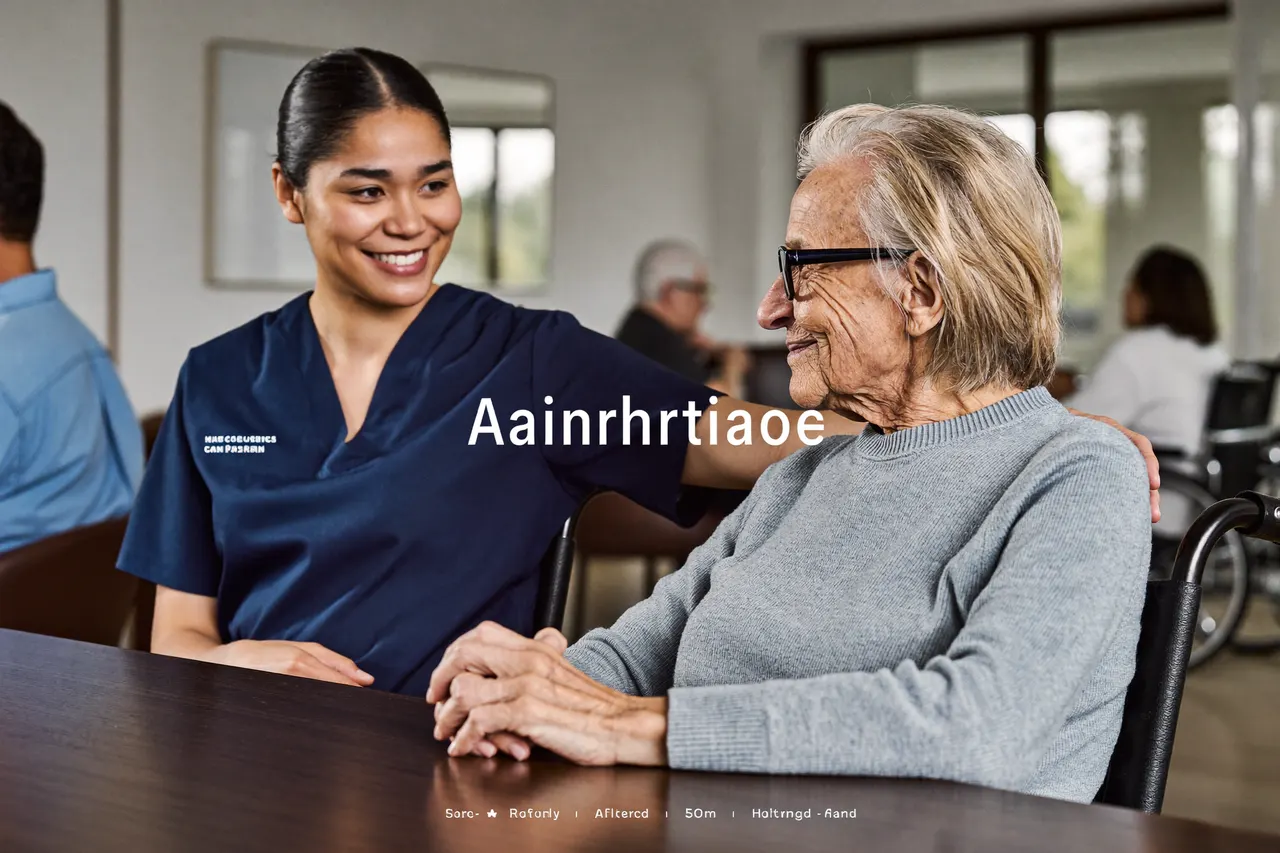
Demand behaviour
Senior living search is driven by an adult child researcher moving between quiet information gathering and urgent decision pressure.
Early-stage searches tend to be broad and informational, focused on understanding differences between care levels, costs, and what a typical day looks like, often done privately and over an extended period before any contact is made.
As a triggering event approaches or occurs, such as a hospital discharge or a safety incident, search behaviour shifts sharply toward comparison and urgency, with location, availability, and direct contact information becoming far more important than general education.
Because the researcher and the resident are different people, search often happens on behalf of someone else and may reference the parent's specific needs, medications, or mobility level directly in the query, which requires content that speaks credibly to those specifics.
Constraints
Senior living marketing operates under Fair Housing rules and a genuine duty to avoid overstating care or outcomes.
Fair Housing law constrains how communities can describe and target their ideal resident, since language implying preference based on protected characteristics, including familial status or disability, can create real legal exposure even when unintentional.
Care level claims need to be accurate and specific, since a family choosing a community based on an overstated capability for medical or memory care can face a genuinely dangerous mismatch, not just a disappointing experience.
Pricing communication deserves particular care given how common opacity is across the industry. Communities that are willing to be clearer about starting costs and what drives price differences tend to build trust faster with families comparing several options under stress.
Advertising copy must avoid language that implies preference or limitation based on protected characteristics, and every page should be reviewed against current Fair Housing guidance before publishing.
Independent living, assisted living, and memory care each involve different staffing and capability, and marketing should never blur these lines to make a community appear to serve needs it cannot actually meet.
Even when exact rates require a conversation, communities should explain what drives cost differences so families are not left guessing through the entire research process.
Copy and imagery should acknowledge the difficulty of this decision honestly rather than using urgency tactics that can feel exploitative to a family already under pressure.
Where the leverage is
We run nine pillars. These are the ones that move this vertical, and the reason each one earns its place.
Distinct, well-structured pages for each care level capture the specific intent behind independent living, assisted living, and memory care searches instead of losing that nuance on one blended page.
Explore SEOFamilies ask direct comparison and cost questions that AI-driven search increasingly surfaces as extracted answers, so clear, structured content earns visibility at the exact moment a family is forming its shortlist.
Explore AEOA simple, fast tour scheduling flow removes friction at the one moment that actually matters economically, converting a researching adult child into a booked visit.
Explore Application FrontendsTiming-sensitive urgency after a health event means paid search can capture families who need an answer immediately, when organic content built over months has not yet reached them.
Explore Paid MediaIn most cases, an adult child or family caregiver does the research and comparison, not the future resident, often under time pressure following a health event, which means marketing needs to address that researcher's questions directly.
Conversion
The tour booking is the real conversion point in senior living marketing, not the initial inquiry form.
Because the buying decision is emotional and comparative, families often contact several communities in a short window. The community that makes scheduling a tour simple, and follows up promptly and warmly, tends to win the visit even when its content was not the family's first exposure to the category.
Given the real cost of unfilled units, marketing has to be measured against tours booked and eventual move-ins, not just website traffic or inquiries. A high volume of form fills that never convert to scheduled visits signals a friction point somewhere in the follow-up process.
A visible, low-friction way to book a tour directly from any care-level page removes the delay of waiting for a callback during an already stressful search.
Dedicated, honest explanations of independent living, assisted living, and memory care help families self-identify quickly and arrive at a tour already understanding the fit.
Publishing at least a starting price range or clear cost drivers reduces the back-and-forth families face comparing communities that all withhold pricing equally.
A fast, personal response after an inquiry matters enormously to a family under emotional pressure, and slow follow-up often loses the tour to a faster-responding competitor.
Live work
Real properties, running in production. Click any of them and judge the work directly.
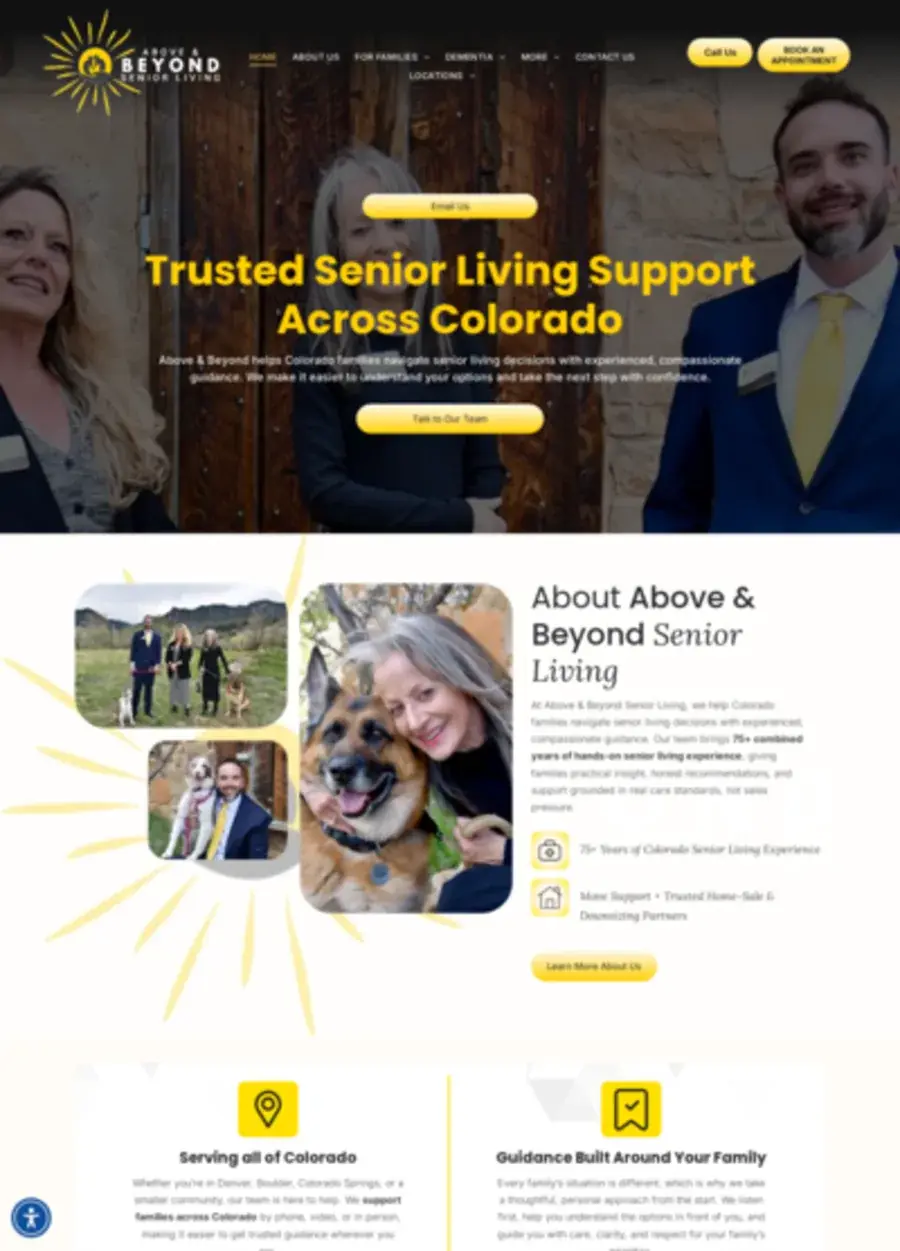
Care community site written for adult children doing the research.
Questions
Adjacent verticals
These verticals share buying cycles, trust signals, or local search behaviour, so the programs borrow from each other.
Local
Our office is at 400 E Simpson St in Lafayette, and most of this work runs across the Denver and Boulder metros.
Vertical strategy and local strategy are the same project once a business has a service area. The mechanics on this page decide what a page says. The location tier decides where it competes, and local SEO handles proximity, prominence, and relevance as three separate levers.
Lafayette, Colorado. Serving the Denver metro, the Boulder Valley, and Northern Colorado.
Start with a diagnosis. You get the roadmap and the quote before anyone builds anything.