
Current rebate and financing information
Rebate and financing claims should reflect currently active programs, since utility and manufacturer incentives change seasonally and outdated claims create disappointing calls.

HVAC
The first heat wave and the first freeze decide a huge share of the year's demand. The rest of the calendar is where margin and growth actually get built.
The vertical
HVAC demand is not steady, it is triggered. The first genuinely hot week of the year and the first hard freeze each produce a surge of searches from homeowners whose system just failed under load. These spikes are largely predictable in timing but not in exact date, and an HVAC contractor's marketing needs to be ready to scale visibility and call handling in the days before and during these windows, not react after the surge has already passed to a faster-answering competitor.
Underneath the spike-driven repair and replacement business sits the real margin engine for most HVAC companies: maintenance agreements. A homeowner on a seasonal tune-up plan generates predictable recurring revenue, gets priority scheduling language that builds loyalty, and is far more likely to call the same company back for a replacement when the system finally fails. Marketing that only chases emergency repair calls misses the higher-lifetime-value maintenance agreement customer almost entirely.
Search intent in HVAC splits between repair and replacement in a way that matters for how a page or ad should be written. A homeowner searching with symptoms like "AC not cooling" is often trying to determine whether the fix is small or whether the whole system is failing, and they are receptive to an honest diagnostic conversation. A homeowner searching "AC replacement cost" has often already decided and is now comparing efficiency ratings, rebates, and financing options, a very different and more considered buying stage.
In Colorado specifically, altitude and climate create real technical differences that show up in search behavior. Front Range homeowners deal with intense but relatively dry summer heat, and swamp coolers remain a genuinely competitive alternative to central air in parts of the market, which means a Colorado HVAC contractor's content and search strategy needs to address swamp cooler versus AC as a real decision, not just assume central air is the only option being considered.
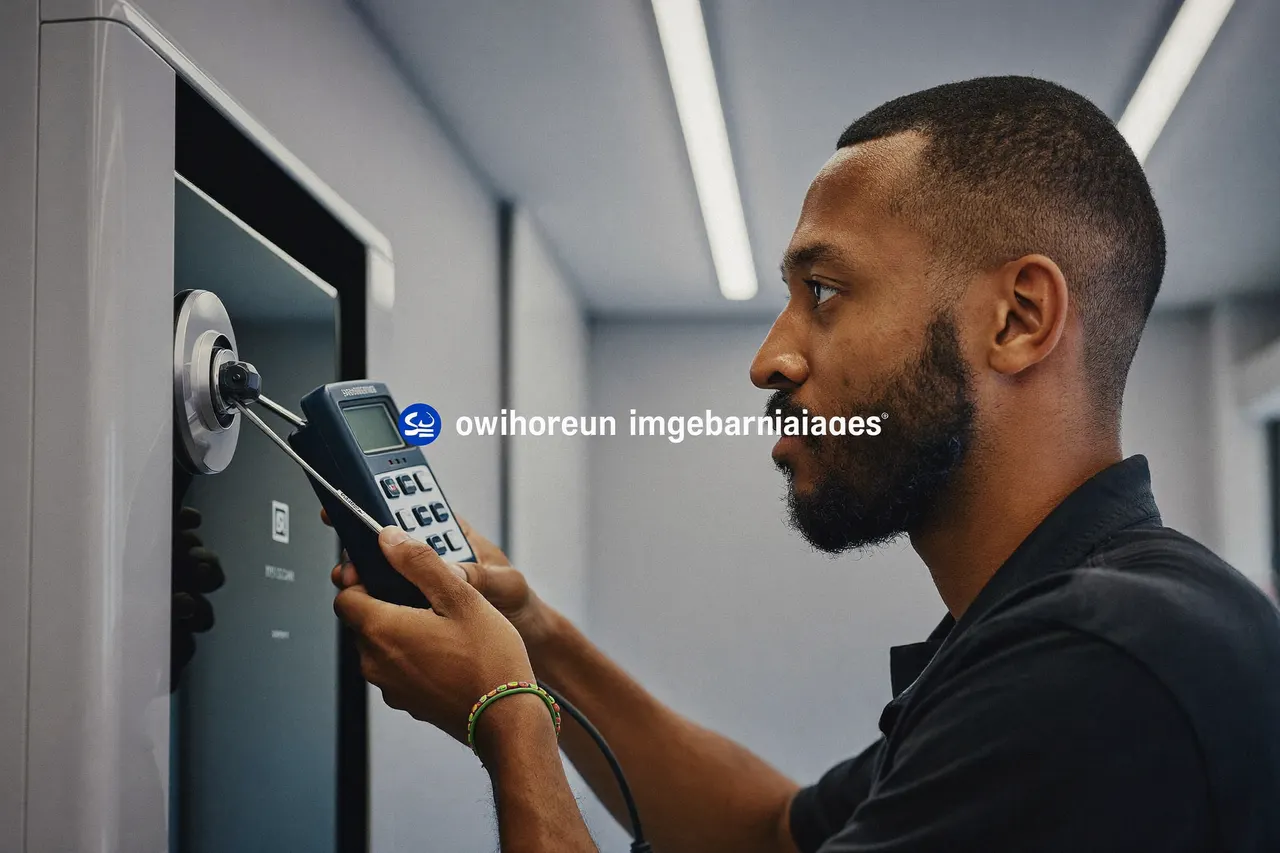
Demand behaviour
HVAC search volume is driven by weather triggers, but the highest-value searches happen in the slower months.
The first heat wave and first freeze of the season generate sudden, urgent, symptom-based searches: no cool air, furnace not turning on, strange noise from the unit. These searchers want fast answers and fast callbacks, and they rarely comparison shop extensively because the discomfort is immediate.
Replacement research happens on a longer, calmer timeline, often triggered by a system reaching a certain age or a repair quote that made replacement look more sensible. These searches include efficiency ratings, brand comparisons, rebate programs, and financing terms, and the buyer is often reading multiple pages and requesting more than one estimate before deciding.
Maintenance agreement searches are smaller in volume but valuable, often coming from homeowners who already know they want a seasonal tune-up plan and are evaluating which local company offers the best value and reliability. This audience responds well to clear plan comparisons and renewal-friendly messaging.
Constraints
HVAC marketing has to be careful with efficiency claims, rebate accuracy, and the line between repair and replacement recommendations.
Efficiency ratings, rebate amounts, and financing terms change with manufacturer programs and local utility incentives, so marketing content referencing them needs to stay current or speak in general terms rather than locking in numbers that expire. A rebate claim that is out of date creates a frustrating call experience and damages trust immediately.
There is also a real ethical line between recommending repair and recommending replacement. Technicians and marketing content should not push replacement as the default answer to every service call, since that pattern is well known to homeowners and erodes trust in the diagnostic process the moment it is suspected.
Rebate and financing claims should reflect currently active programs, since utility and manufacturer incentives change seasonally and outdated claims create disappointing calls.
Marketing should present diagnostic-first messaging rather than defaulting to replacement recommendations, since homeowners are wary of contractors who push the more expensive option too quickly.
SEER ratings, brand claims, and equipment capabilities should be described accurately and not oversold, since these are technical details a portion of buyers will verify independently.
Response time promises during peak heat and cold events should reflect real technician availability, since demand during these windows often exceeds normal staffing.
Where the leverage is
We run nine pillars. These are the ones that move this vertical, and the reason each one earns its place.
Repair, replacement, and maintenance agreement searches each need distinct page treatment, and ranking ahead of the first heat wave or freeze of the season requires content and technical SEO work done well before the spike hits.
Explore SEOSearch demand is so weather-triggered that paid campaigns need to be built to scale up rapidly around forecasted temperature events and scale back during shoulder seasons to protect budget efficiency.
Explore Paid MediaSeparating repair, replacement, and maintenance agreement conversions is essential to understanding true revenue impact, since these three funnels have very different lifetime values and sales cycles.
Explore AnalyticsHomeowners ask direct questions about repair cost, replacement timing, and rebate eligibility, and appearing as the extractable answer to those questions captures demand before a searcher even opens a contractor's website.
Explore AEOIt depends on the system's age, the cost of the repair relative to a new unit, and how often it has needed service recently. A licensed technician can assess this directly, and a second opinion is reasonable for a major replacement recommendation.
Conversion
HVAC conversion depends on speed during emergencies and trust during considered replacement decisions.
During a heat wave or cold snap, the company that answers fastest and can give a real appointment window wins the job, almost regardless of price. During the calmer replacement research period, the company that explains options clearly, presents financing and rebate information accurately, and does not feel like a hard sell earns the estimate request.
Maintenance agreements convert best when the value is framed around priority scheduling and predictable costs rather than just a discount, since homeowners who have lived through a summer without air conditioning understand the value of being first in line.
During weather spikes, a clear callback window and an honest same-day or next-day estimate converts better than a vague promise, since desperate homeowners are comparing response speed directly across companies.
Replacement research pages that clearly explain financing options and current rebate eligibility reduce the friction of a large purchase decision and shorten the path to a booked estimate.
Positioning maintenance plans around priority scheduling during peak season, not just a discount on tune-ups, resonates with homeowners who remember a past emergency wait.
Shoulder season promotions and tune-up campaigns keep technicians booked and pipeline warm ahead of the next demand spike, addressing the real strategic problem of off-season revenue.
Questions
Adjacent verticals
These verticals share buying cycles, trust signals, or local search behaviour, so the programs borrow from each other.
Local
Our office is at 400 E Simpson St in Lafayette, and most of this work runs across the Denver and Boulder metros.
Vertical strategy and local strategy are the same project once a business has a service area. The mechanics on this page decide what a page says. The location tier decides where it competes, and local SEO handles proximity, prominence, and relevance as three separate levers.
Lafayette, Colorado. Serving the Denver metro, the Boulder Valley, and Northern Colorado.
Start with a diagnosis. You get the roadmap and the quote before anyone builds anything.