
Keep results claims realistic
Before-and-after content and testimonials should represent achievable, typical outcomes rather than outlier transformations framed as the expected result of joining.

Fitness
Proximity gets someone to the door and a trial gets them on the mat. Retention is where the business actually gets made or lost.
The vertical
Fitness is a proximity-dominant category. Most searches carry an implicit radius, and a studio a few minutes closer to home or work often beats a better-regarded competitor further away simply on convenience. That makes local search visibility and an accurate, fast-loading location page more important here than in categories where people will travel for the right specialist.
The trial or intro offer is the primary mechanism that turns search interest into a body in the building. A free class, a discounted first month, or a no-commitment week does the work that a sales page cannot, because fitness purchases are trust purchases. Someone needs to feel the coaching style and the room before committing, and a studio that makes that trial easy to find and book converts noticeably better than one that hides it behind a contact form.
Demand is seasonal in a way few other categories experience so predictably. January carries an outsized share of annual sign-up intent, with smaller secondary spikes around spring and after major holidays. A marketing plan that treats every month the same wastes the biggest opportunity window of the year and gets caught flat-footed when it arrives.
Retention, not acquisition, is the real economic driver. A studio can run a strong trial funnel and still lose money if members churn within a few months, since the cost of acquiring a new member rarely pays back on a single month's dues. Class schedules, coach relationships, and community identity are what keep someone showing up in month four, which makes retention infrastructure as much a marketing job as a member experience job.

Demand behaviour
Fitness search intent is shaped by proximity, modality, and a sharp seasonal calendar.
Most searches include or imply a location constraint, and users often compare two or three nearby options on distance and schedule fit before ever looking closely at coaching credentials or facility quality, which makes an accurate map listing and location page a baseline requirement rather than a nice-to-have.
Modality-specific searches are common and distinct from general 'gym near me' queries. Someone searching for strength training, pilates, cycling, or recovery services has already decided what they want and is filtering for who offers it well nearby, so a studio offering multiple modalities needs separate, findable content for each rather than one blended page.
January produces a predictable surge in both search volume and new membership intent, and studios that scale their trial offer visibility and staff capacity ahead of that window capture disproportionate share of the annual sign-up pool compared to studios that treat it as a normal month.
Constraints
Fitness marketing needs to make honest claims about results and be transparent about membership terms.
Results claims, whether about weight loss, strength gains, or recovery timelines, need to reflect realistic outcomes rather than best-case transformations presented as typical, since overpromising creates both trust problems and, in some cases, regulatory exposure depending on the specific claims made.
Membership terms including cancellation policy, contract length, and auto-renewal need to be clearly stated, since ambiguity here is one of the most common sources of member complaints and chargebacks in the fitness industry, and clarity upfront reduces churn driven by frustration rather than genuine disinterest.
Before-and-after content and testimonials should represent achievable, typical outcomes rather than outlier transformations framed as the expected result of joining.
Contract length, cancellation process, and auto-renewal terms should be visible before signup, not discovered later, since unclear terms are a leading driver of complaints and early churn.
Coach and instructor qualifications should be described accurately, particularly for modalities involving injury risk, without inflating certifications or specialties they do not hold.
Any intro or trial offer should clearly state what happens after it ends, including pricing that follows, so the transition from trial to paid membership does not feel like a bait and switch.
Where the leverage is
We run nine pillars. These are the ones that move this vertical, and the reason each one earns its place.
Because proximity and modality both drive intent, dedicated local and modality-specific pages capture searches that a single generic gym page would never rank for.
Explore SEOThe sharp seasonal demand curve, especially around January, rewards a studio that can flex paid spend up ahead of the surge to capture sign-up intent before competitors do.
Explore Paid MediaA fast, clear class schedule and booking interface is the actual product surface members interact with daily, and friction there drives both lost trials and early cancellations.
Explore Application FrontendsSince retention and churn matter more than raw sign-up counts, tracking member behaviour over months rather than just conversion at the point of sale is essential to understanding real studio health.
Explore AnalyticsMost people start from proximity, narrowing to nearby options first, then filter by the specific modality they want, check the class schedule for fit, and use a free trial or intro offer to confirm the coaching and community feel before committing.
Conversion
Conversion in fitness happens in two stages: getting someone into a trial, and keeping them past the first few months.
The trial offer is the primary acquisition lever, and it needs to be easy to find and book without friction, since most prospects are still evaluating fit rather than ready to commit to a full membership. A confusing or hidden trial signup process loses prospects who were otherwise ready to try the studio.
Because member acquisition cost rarely pays back in a single month, retention determines whether the marketing spend was actually worthwhile. Class schedule reliability, coach consistency, and a sense of community are what keep a member renewing past the initial trial period, which means retention tools deserve real marketing investment, not just an afterthought.
A visible, fast intro offer signup flow, ideally requiring minimal information upfront, converts proximity-driven traffic into an actual visit before interest fades.
An up-to-date, easy-to-book class schedule reduces the drop-off that happens when a prospect cannot quickly tell whether a class fits their availability.
Featuring real coaches and the studio's community identity helps a trial member picture themselves returning, which supports the retention decision that follows the trial.
Aligning trial promotion intensity with known demand spikes, particularly January, captures a disproportionate share of annual sign-up intent when it is highest.
Live work
Real properties, running in production. Click any of them and judge the work directly.
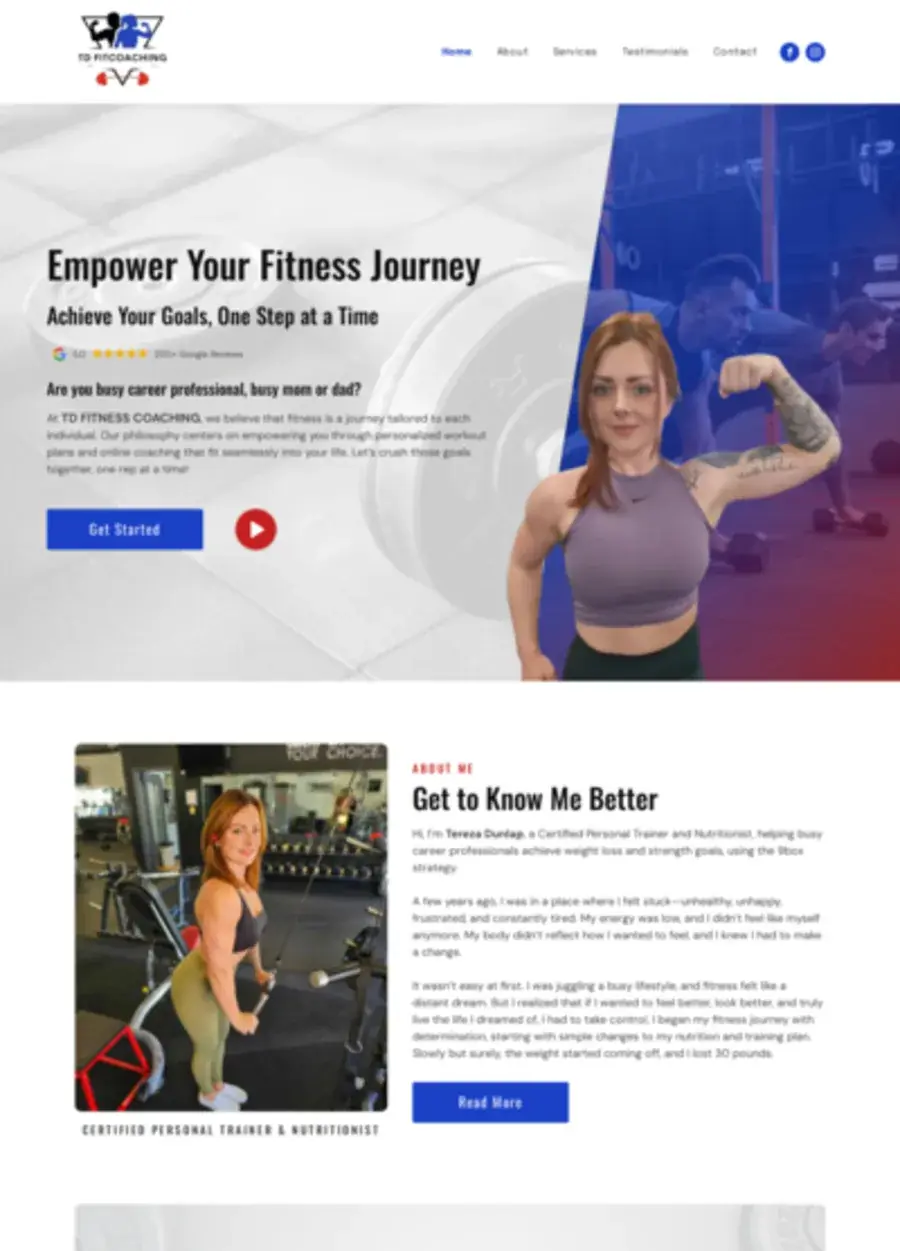

Sound and movement practice with session types and scheduling.

Wellness practice brand with program structure and enquiry routing.
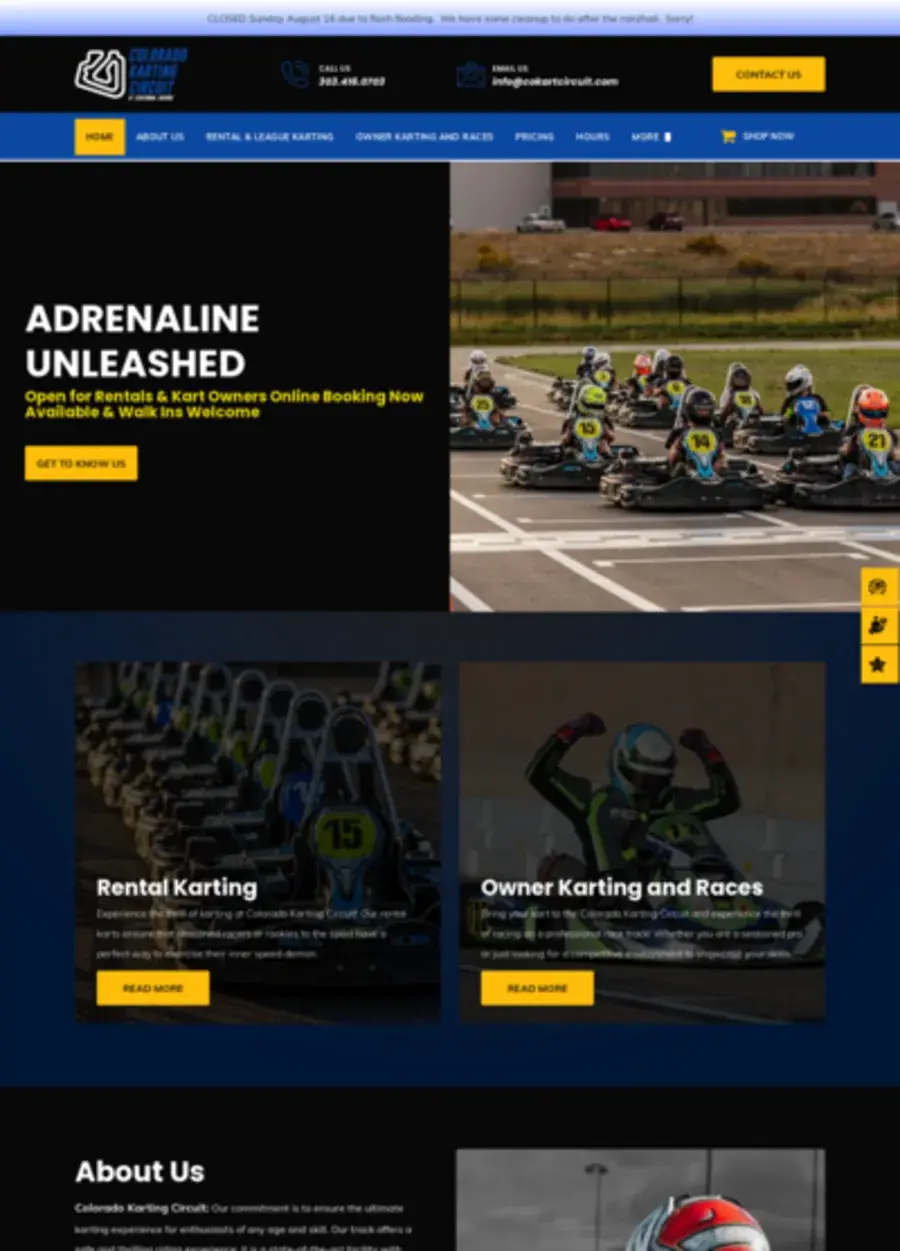
Motorsport venue with event calendar and booking as the primary action.

Action sports brand with catalogue and seasonal campaign surfaces.
Questions
Adjacent verticals
These verticals share buying cycles, trust signals, or local search behaviour, so the programs borrow from each other.
Local
Our office is at 400 E Simpson St in Lafayette, and most of this work runs across the Denver and Boulder metros.
Vertical strategy and local strategy are the same project once a business has a service area. The mechanics on this page decide what a page says. The location tier decides where it competes, and local SEO handles proximity, prominence, and relevance as three separate levers.
Lafayette, Colorado. Serving the Denver metro, the Boulder Valley, and Northern Colorado.
Start with a diagnosis. You get the roadmap and the quote before anyone builds anything.