
Designing Dashboards That Hold Up Under Real Data
Dashboards break under real data volume when rendering strategy and messy-data handling are afterthoughts. Here's how to design for scale from the start.
8 min readLingows Team
Read the post
Discover how Lingows Media blends aesthetics with functionality in web design. Learn about user-centric navigation, responsiveness, speed optimization, and accessibility.
Editor's note. This is an archived Lingows article, preserved as it was originally published. Lingows no longer builds brochure sites. We build application frontends, server rendered products with real state management, real data, and real speed. The original article follows, unchanged.
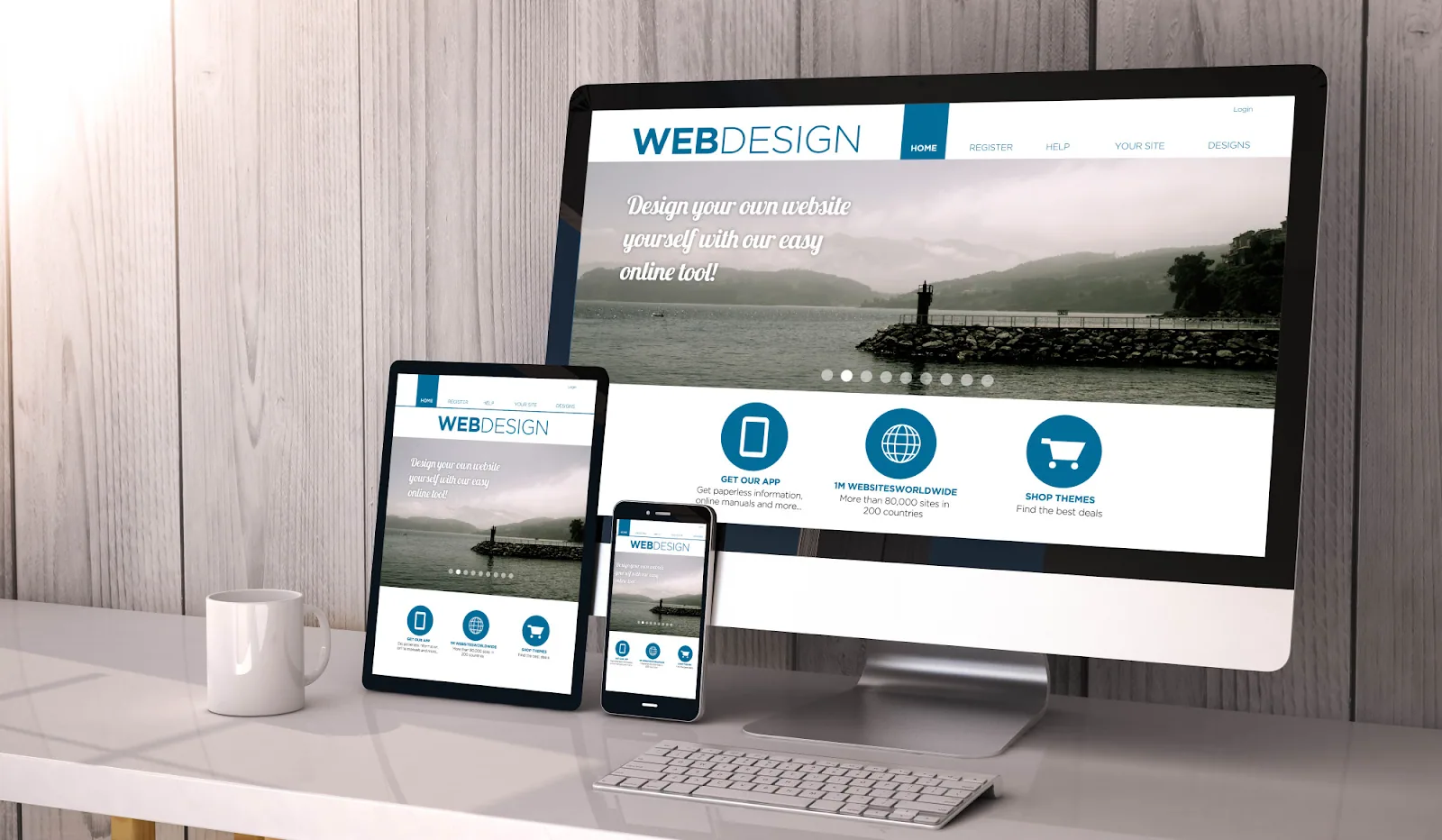
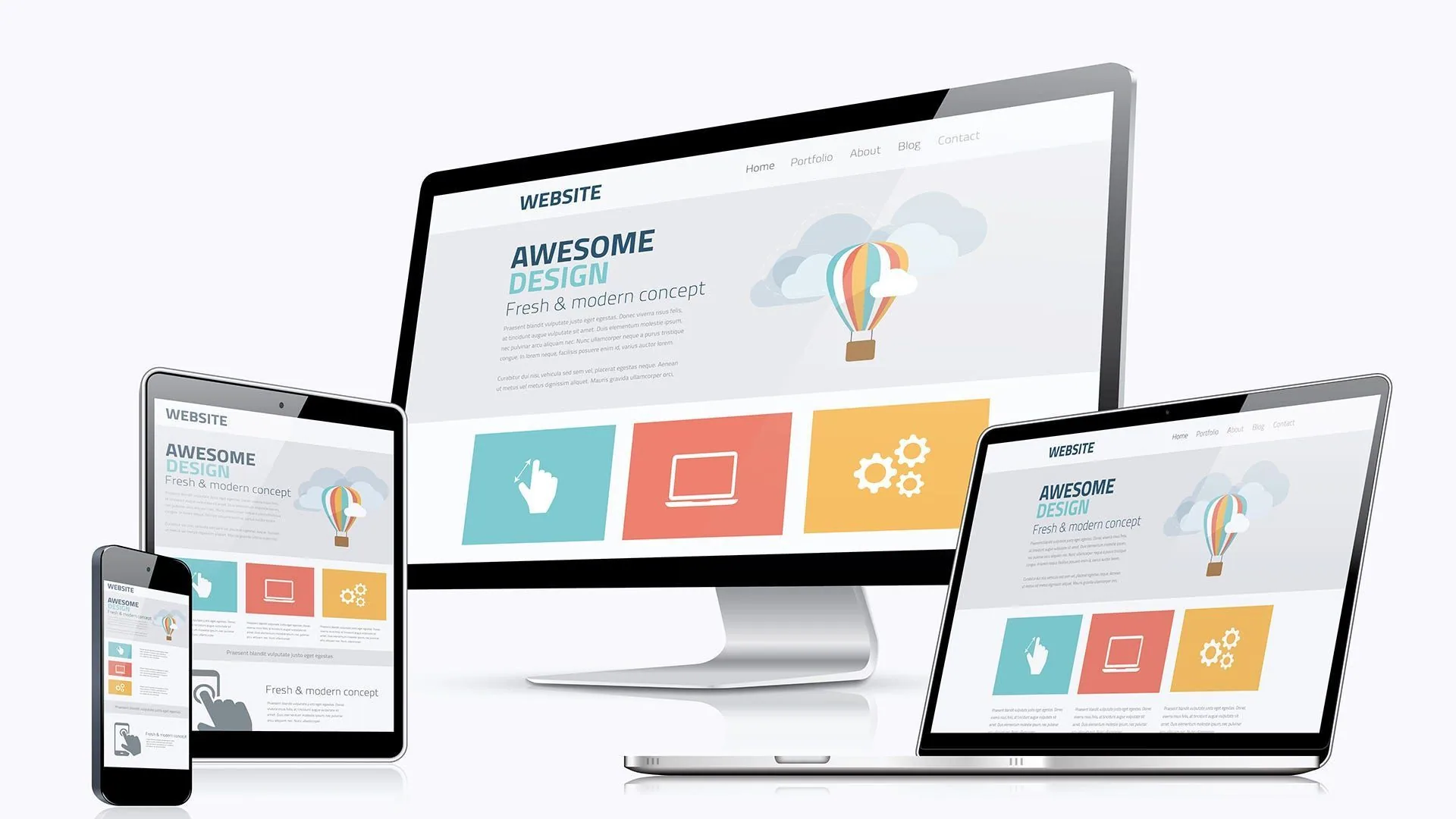
No longer is high-end web design beauty enough. A modern website should meld beauty with functionality to churn out great user experiences. At Lingows Media, we understand the pivotal role functionality plays in crafting websites that not only attract but also engage and convert visitors. In this article, we unveil the key components of functional web design, focusing on key strategies and considerations to elevate the user experience that drives business success.
Understanding Functional Web Design
What Is Functional Web Design? Functional web design is more than just aesthetic; it should always be functional and have usability—the essence of features is user-centered. It concerns the development of well-thought-out, intuitive interfaces that make the process of navigating and interacting with the interface smooth.
Functionality in Web Design A functional website ensures user satisfaction, engagement, and high conversion rates because design elements adhere to business goals by reaching measurable outcomes.
Key Features of Functional Web Design
Strategies for Implementing Functional Web Design
How Functional Web Design Drives Business Success
Conclusion In the highly competitive digital world of today, high-end web design goes further than just being pretty. It's more about functionality and experience. At Lingows Media, we apply years of experience with functional web design to build customized web solutions in light of business goals that exceed user expectations.
Where this stands today. The principles above still matter, but the delivery model changed. If you are planning a new build, start with application frontends and see how a server rendered product compares to a traditional site. You can also review our case studies or contact us to talk through the fit.
Dashboards break under real data volume when rendering strategy and messy-data handling are afterthoughts. Here's how to design for scale from the start.
A site migration protects rankings when URLs are mapped, redirects are one to one, and rendering still produces crawlable HTML on day one.
Client-only rendering trades speed and crawlability for a blank shell. Server rendered application frontends fix both without giving up interactivity.
We diagnose first, then architect, then build. Call 720-378-4266 or send the project details.