How AI is Revolutionizing Web Design in 2025
The landscape of web design has shifted dramatically, and artificial intelligence sits at the center of this transformation. What once required weeks of back-and-forth between designers and clients now happens in hours, with AI handling everything from initial concepts to responsive layouts. This isn't about replacing human creativity; it's about amplifying it in ways we couldn't have imagined just a few years ago.
For business owners watching from the sidelines, the question isn't whether AI will impact your web presence. It already has. The real question is how you'll leverage these tools to stay competitive while your competitors are still figuring out what hit them.
1. Intelligent Layout Generation
Traditional web design started with wireframes sketched on whiteboards or in design software. A designer would propose a layout, the client would request changes, and this dance would continue for days or weeks. AI has fundamentally altered this process by analyzing thousands of high-converting websites to generate layouts optimized for your specific industry and goals.
These systems don't just copy what works elsewhere. They understand the principles behind successful designs: visual hierarchy, user flow patterns, conversion psychology, and accessibility requirements. When you feed an AI design system your brand colors, target audience, and business objectives, it produces layouts that would have taken a human team significantly longer to conceptualize.
The practical impact for businesses is substantial. Projects that previously consumed entire marketing budgets for design alone now fit within reach of small and medium enterprises. More importantly, the quality hasn't suffered. In many cases, AI-generated initial concepts outperform traditional approaches because they're built on data rather than assumptions.
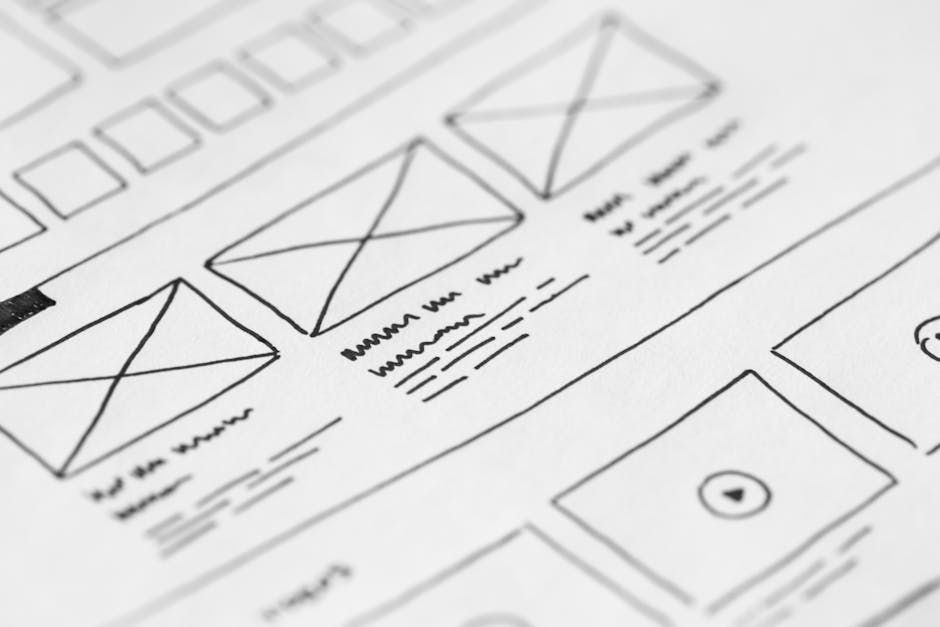
What does this mean for your next website project? You can expect faster turnaround times, more options to choose from during the initial concept phase, and designs that are already optimized before any code is written. The iterative process doesn't disappear, but it becomes more focused on refinement rather than starting from scratch.
2. Personalization at Scale
Every visitor to your website is different. They arrive with unique needs, preferences, and behaviors. Traditional websites served the same experience to everyone, hoping it would resonate with enough people to drive conversions. AI-powered personalization has changed this equation entirely.
Modern AI systems can analyze visitor behavior in real-time, adjusting content, layout, and calls to action based on dozens of signals. A returning customer sees different messaging than a first-time visitor. Someone who arrived via a search for "affordable" solutions gets different pricing emphasis than someone searching for "premium" options. This happens automatically, continuously, and at a scale no human team could match.
The technology behind this involves machine learning models trained on millions of user interactions. These models identify patterns humans would never notice: specific combinations of behavior that indicate high purchase intent, subtle signals that suggest a visitor is about to abandon their cart, and micro-interactions that predict long-term customer value.
For Lingows clients, this translates to websites that work harder for your business. Instead of static pages that treat every visitor the same, you get dynamic experiences that adapt in real-time. The result is higher engagement, better conversion rates, and customer experiences that feel tailor-made because they actually are.
3. Automated Content Optimization
Content has always been king, but creating content that resonates with both search engines and human readers required a delicate balance. AI has tipped this balance decisively in favor of businesses willing to embrace new tools and workflows.

AI writing assistants now generate first drafts that capture your brand voice, incorporate SEO best practices, and target specific audience segments. These aren't the robotic, obviously-automated texts of early AI experiments. Modern language models produce content that requires editing for accuracy and brand alignment but handles the heavy lifting of structure, research synthesis, and initial drafting.
Beyond creation, AI excels at optimization. A/B testing that once took months now happens continuously. Headlines, calls to action, image placement, and button colors all adjust based on performance data. The system learns what works for your specific audience and applies those lessons across your entire site automatically.
The businesses seeing the best results combine AI capabilities with human oversight. They use AI to generate options and analyze performance while keeping humans in control of strategy, brand voice, and final approval. This hybrid approach delivers speed and scale without sacrificing the authenticity that builds lasting customer relationships.
4. Enhanced User Experience Through Predictive Design
User experience has always been about anticipating what visitors need before they know they need it. AI takes this principle to its logical conclusion by analyzing behavior patterns to predict user intent with remarkable accuracy.
Predictive design manifests in subtle but powerful ways. Navigation menus that surface the most relevant options based on entry point. Search functionality that understands natural language queries and intent behind keywords. Form fields that pre-populate with likely responses. Help content that appears exactly when confusion typically occurs.
These improvements compound over time. Every interaction feeds back into the system, making predictions more accurate and experiences more seamless. Early adopters of predictive design are seeing engagement metrics improve month over month as their sites literally learn from their visitors.
Have you noticed how some websites seem to read your mind? That's not coincidence or exceptional design intuition. It's AI working behind the scenes, analyzing patterns across thousands of sessions to create experiences that feel almost telepathic in their responsiveness.
Looking Ahead
The integration of AI into web design isn't slowing down. Voice interfaces, augmented reality experiences, and increasingly sophisticated personalization are all on the immediate horizon. Businesses that establish AI-enhanced web presences now will be better positioned to adopt these next-generation capabilities as they mature.
At Lingows, we've been integrating AI tools into our design and development workflows since 2018. Our clients benefit from faster project completion, more data-driven design decisions, and websites that continue improving long after launch. The future of web design is here, and it's more accessible than you might think.
Ready to explore what AI-powered web design could mean for your business? The conversation starts with understanding your goals and how intelligent automation can help achieve them faster and more effectively than traditional approaches alone.